Nasjonalmuseet
Tuesday 3 November · open 10–20 · Maler(inne) tour 18:30
- 17:30 Arrive. Sign up for the tour at the desk first.
- 17:35 Room 033, the eve of the Reformation (15 min)
- 17:50 Room 038, the whitewashed church and the weeping Peter (10 min)
- 18:00 Room 037, the Catholic answer (20 min)
- 18:25 Foot of the stairs to Lyshall 1
- 18:30 Maler(inne) tour
- ~19:30 Room 061, then the Norwegian church pictures, until 20:00
- Train Voice note before reading anything
Tonight


Podcasts, if there is more time
On the train
Council of Trent, session 25 (1563): on sacred images
What did the church want a picture to do to the person standing in front of it?
The background in five lines
Before 1517 images taught people who could not read, and were objects of devotion: pray to the Madonna; Sebastian protects against plague.
Luther kept images as teaching aids and stripped away the cult. Cranach's workshop made Lutheran propaganda and still painted for Catholic patrons.
Zwingli and Calvin cleared the churches (Zurich 1524, the Dutch Beeldenstorm 1566). Painters in Protestant lands turned to the market: landscapes, still lifes, portraits, everyday scenes.
Trent (1563) defended images but demanded clarity, decorum and teaching. The result was painting that hits you physically: Caravaggio's real bodies, the Jesuits' “composition of place” (imagine yourself inside the scene with every sense), and many penitent Peters and Magdalenes, because penance was what the Protestants rejected.
“Propaganda” comes from the Congregatio de Propaganda Fide, founded 1622, the year of Baburen's picture in room 037.
Stop 1 · Room 033 · 15 min
The eve of the Reformation
Stand in the middle of the room for a minute before going to any picture. Then go to the two pictures from 1518, a year after Luther's theses.
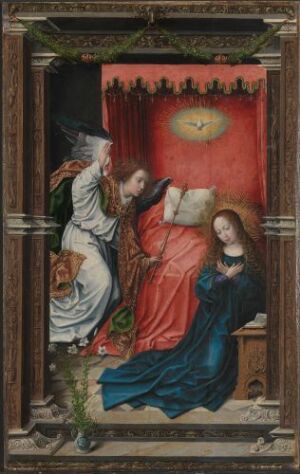
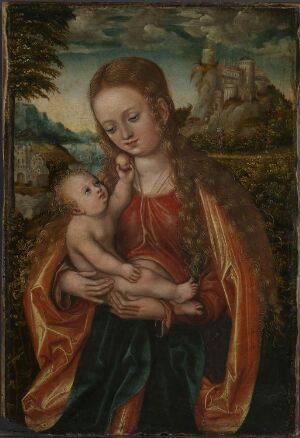
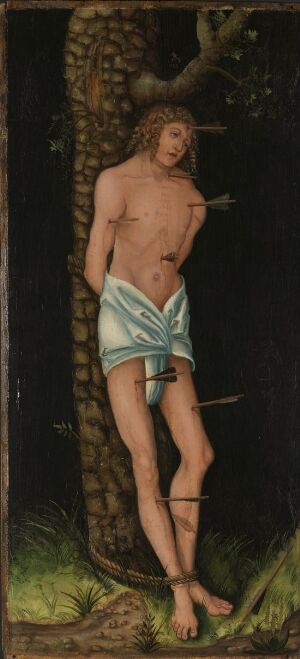
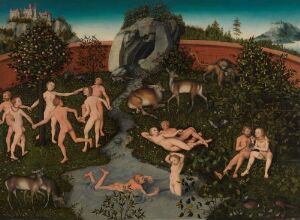
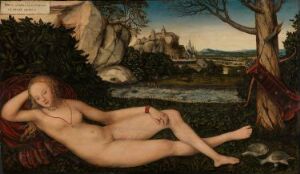
Which of these could still hang in a church after the reformers had been through it?
Stop 2 · Room 038 · 10 min
The whitewashed church and the weeping Peter
Look at the de Blieck first, then turn to the El Greco without looking at anything in between.
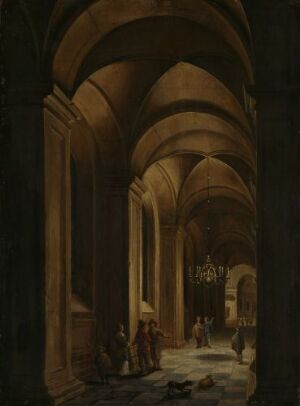
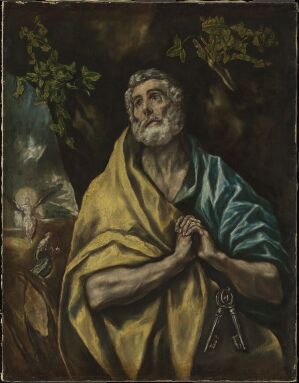
One picture is an empty room built for a sermon; the other is a single body in remorse. Which one is preaching?
Stop 3 · Room 037 · 20 min
The Catholic answer
Pick one picture and try the Jesuit exercise: put yourself inside the scene. What do you hear, smell, feel underfoot? (You did this unprompted with Nørregaard's Italian ruins.)
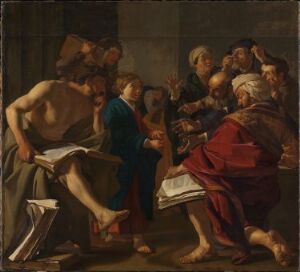
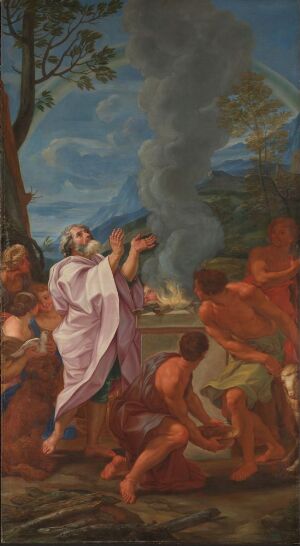
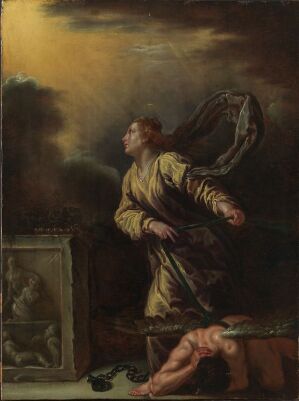
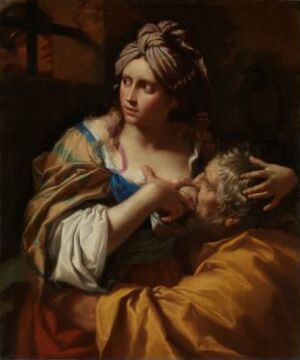
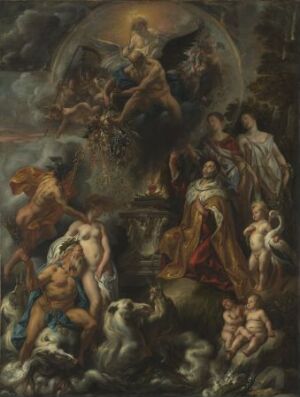
Baburen painted this the year the church founded its office of Propaganda. Is it propaganda?
18:25 · Foot of the stairs to Lyshall 1
The Maler(inne) tour
Find the three favourites and photograph each label:
Listen for what the first visit lacked:
- Who commissioned these women, and for which rooms?
- Where did each of them learn: a father's workshop, a guild, a court?
- Which pictures were long credited to men?
One question to ask the guide, if there is a gap:
Which of these pictures was made for a church, and which for a private room?
On the way out:
- Stand in front of a Gentileschi and recall the Baburen from an hour ago. Same decade, same kind of light. What does she do that he doesn't?
- The two Magdalenes again, this time as penance pictures, next to El Greco's Peter in your head.
After the tour, until 20:00
Room 061 · Følelser og stemninger
The pictures you remembered from last time, now with names. Pick the one that holds you and give it five minutes.
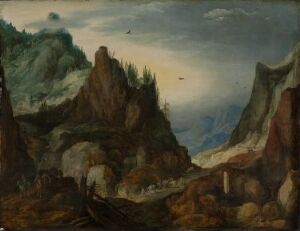
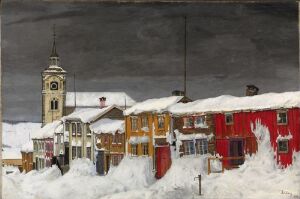
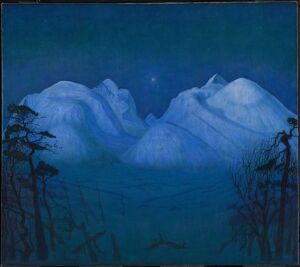
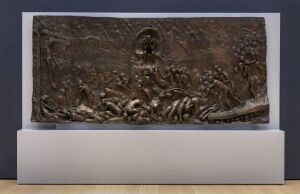
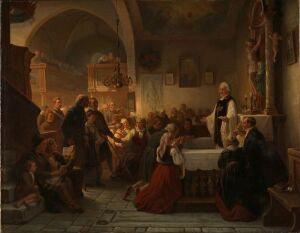
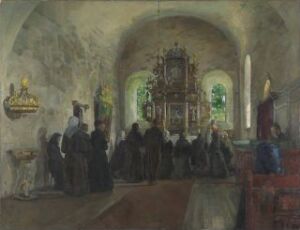
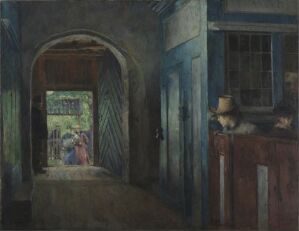
Rooms 045, 051, 058 · Lutheran Norway's two sacraments
Afterwards
A voice note on the train, before reading or listening to anything.
- Which picture held you today? Name one thing you saw in it.
- Did the Catholic/Protestant lens change any picture for you? Which, and how? Or did it change nothing?
- Gentileschi against Baburen: what does she do with the light that he doesn't?
- Did the tour's context change the three favourites, or did they look the same as on 17 October?
- Back to the train question: what did the church want these pictures to do to you, and did any of them do it?
- What do you want to know now that you didn't this morning?
If Wednesday suits better
17:30 lecture on Michaelina Wautier (curator Simen K. Nielsen), then 18:30 Kunst og demokrati. The walk works the same way: 033, 038, 037 before 17:25.